

What Happens to Your Blood Pressure When You Drink Green Tea
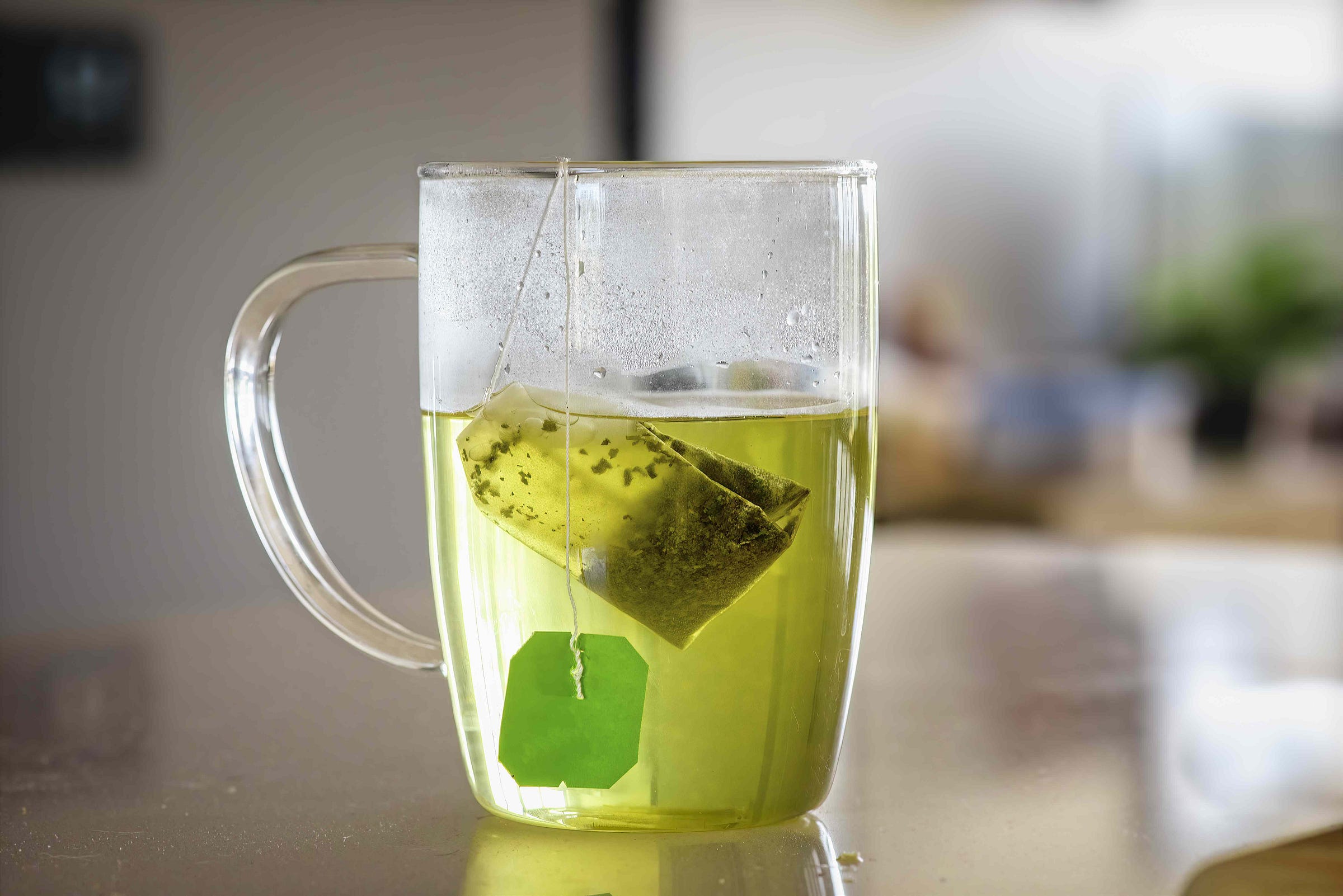
Green tea is a popular drink that contains plant compounds linked to better heart health. Research shows it may help lower blood pressure slightly, however, drinking too much could lead to issues such as caffeine side effects or reduced iron absorption.
How Does Green Tea Lower Blood Pressure?
Blood pressure refers to the amount of force that’s exerted on the walls of your blood vessels. When that pressure is high for too long, it can damage organs and raise your risk of heart disease, stroke, and more.
Along with other factors, stiff blood vessels can cause high blood pressure (hypertension). But that’s where green tea comes in-it contains antioxidants called catechins which may help the body relax blood vessels more easily. This allows for better blood flow and possibly lower blood pressure.
Green tea also contains compounds that may be able to help lower inflammation and oxidative stress, a state where the body has too many cell-damaging compoundhigh blood pressure (hypertension)s called free radicals. Oxidative stress and inflammation may cause damage to blood vessels, and have been linked to high blood pressure. Drinking green tea may help reduce this kind of damage to your cells, protecting heart function in the process.
A 2025 review concluded that green tea supplements may lead to small but meaningful decreases in blood pressure. Plus, a 2022 study found that green tea drinkers with high blood pressure did not have any increased risk of mortality from heart disease.
More Research Is Needed
Though some research suggests the antioxidants and anti-inflammatory compounds in green tea may support healthy blood pressure, it’s important to note that green tea does not work like medication.
Plus, some research has even found that heavy green tea consumption may slightly raise the risk of hypertension, so more studies are needed.
However, moderate amounts of green tea can be part of a healthy diet, and may add up to meaningful changes in heart health when combined with exercise, healthy eating, and lower sodium intake.
Limit Green Tea Intake for Best Results
Green tea is largely considered safe for most people. However, drinking too much can lead to health concerns, including:
- Iron absorption issues: Green tea contains compounds called polyphenols that may interrupt the body’s ability to absorb nonheme iron, or iron from plant sources. Some research found drinking tea with meals reduced iron absorption by at least 85%. Green tea usually isn’t associated with iron deficiency, though drinking large amounts could raise your risk.
- Caffeine side effects: One 12-ounce cup of green tea contains around 37 milligrams of caffeine, which is significantly less than a standard cup of coffee. Still, drinking too much green tea could lead to caffeine side effects such as fast heartbeat, nervousness, headaches, or trouble sleeping.
- Medication interactions: At very high doses, green tea may interact with nadolol, a drug for heart issues and hypertension. Other research suggests catechins, the antioxidant found in green tea, may interact with other medications, including chemotherapies, high cholesterol drugs, antibiotics, and more.
If you take green tea supplements, which are much more concentrated than a cup of tea, there are other potential risks. Higher doses of green tea supplements to liver toxicity, elevated blood pressure, nausea, and stomach pain.
For most healthy adults, drinking a few cups of green tea per day is considered safe, plus it may provide heart health benefits. But people who are pregnant, have low iron levels, or are sensitive to caffeine should consider limiting their intake. It’s always a good idea to speak with a healthcare provider before adding teas or supplements to your diet.
